
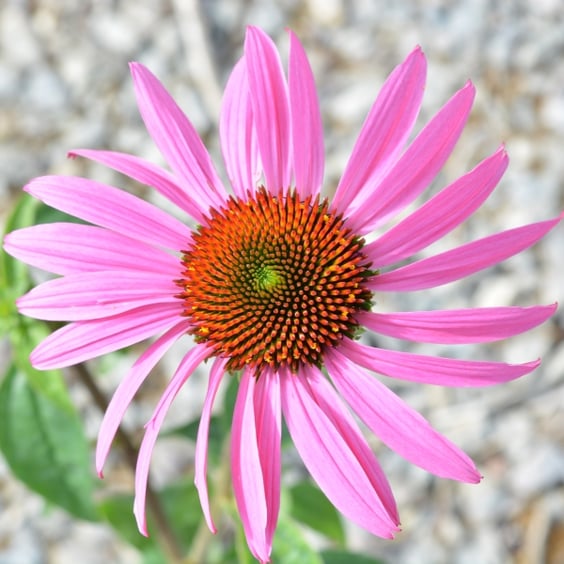
Purple Coneflower
Growing zones
See Zone Map >Status: In stock
- Sun
 Mature Plant Size (H x W):
3-4' x 1.5-2'
Mature Plant Size (H x W):
3-4' x 1.5-2'  Bloom Season:
Summer
Bloom Season:
Summer
- Attracts Bees
- Attracts Birds
- Deer Resistant
- Drought Tolerant
- Salt Tolerant
- Native
- Winter Interest
- Low Maintenance
- Long Blooming
- Attracts Butterflies
- Cut Flower
- Attracts Pollinators
Planting & Care for Purple Coneflowers
Opening Plant Material
- Container: Saturate container plants thoroughly before planting by submerging them in a larger container of water until bubbling stops, then remove. Dig a hole no deeper than the container depth and at least 6" wider on all sides.
Planting
- Choose the Right Spot: Plant Purple Coneflower in full sun to partial shade for best blooms. It is one of the most versatile native perennials for home gardens across the Midwest and beyond.
- Soil: Echinacea purpurea thrives in average to well-draining soil. It tolerates clay, loam, and poor soils once established, making it an ideal low-maintenance perennial for homeowners.
- Planting Time:The best time to plant Purple Coneflower is in spring or fall, giving roots time to establish before summer heat or winter frost.
- Spacing: Space plants 18-24" apart to allow for air circulation and natural spread. Echinacea can self-seed and naturalize over time, filling in garden beds beautifully.
Watering
- Watering Frequency: Water deeply at planting, then once or twice per week during the first growing season. Once established, Purple Coneflower is drought-tolerant and requires minimal supplemental watering.
- Avoid Overwatering: Echinacea does not like wet feet. Overwatering or poorly drained soil can cause root rot. Allow soil to dry slightly between waterings.
Fertilizing
- Fertilizer Type: Use a balanced, slow-release granular fertilizer (10-10-10) in early spring. Avoid high-nitrogen formulas, which promote leafy growth at the expense of blooms.
- Application: Apply fertilizer sparingly. Purple Coneflower actually thrives in lean soil. Over-fertilizing can weaken stems and reduce flower production.
Pruning and Maintenance
- Deadheading: Removing spent blooms encourages continued flowering throughout summer. Leave some seedheads in place in fall to provide winter interest and attract birds such as Goldfinches.
- Cutting Back: Cut stems back to the ground in late fall or early spring. Dividing clumps every 3-4 years keeps plants vigorous and promotes better blooming.
Winter Care
- Cold Hardiness: Purple Coneflower is cold-hardy in USDA Zones 3-9 and requires no special winter protection in most climates. Leaving seedheads standing through winter feeds wildlife and adds garden structure.
- Spring Emergence: Echinacea is a slow riser in spring, don't worry if it's one of the last perennials to appear. Mark plant locations in fall to avoid accidentally digging them up.
Pests and Diseases
- Pests: Purple Coneflower is largely pest-resistant. Watch for aphids, leafhoppers, and Japanese beetles. Treat infestation with insecticidal soap or neem oil.
- Diseases: Good air circulation and well-draining soil prevent most fungal problems. Aster yellows (a phytoplasma disease spread by leafhoppers) can distort blooms. Remove and discard affected plants. Powdery mildew may appear in humid conditions, space plants adequately to minimize risk.
Mulching
- Mulch: Apply a 2-3" layer of organic mulch (shredded wood, bark, or compost) around the base of the plant to retain moisture, regulate soil temperature, and suppress weeds. Keep mulch a few inches away from the crown to prevent rot.
Planting & Handling Help
Download our Planting and Handling Guide below to plan for a successful arrival and install of your plants. Be sure to water all plants as soon as they arrive and every day until you’re ready to plant. Keep any bare root bundles in a shady, cool spot with the roots covered at all times.
Learn More
Watch our videos on handling bare root plants, how your order is prepared for shipment and more.
Plant Sizing
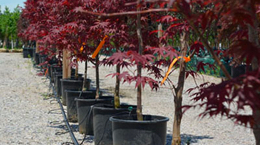
What is the difference between Containers, Grow Bags, Bare Root, and Balled & Burlap (B&B)?
Shipping Times
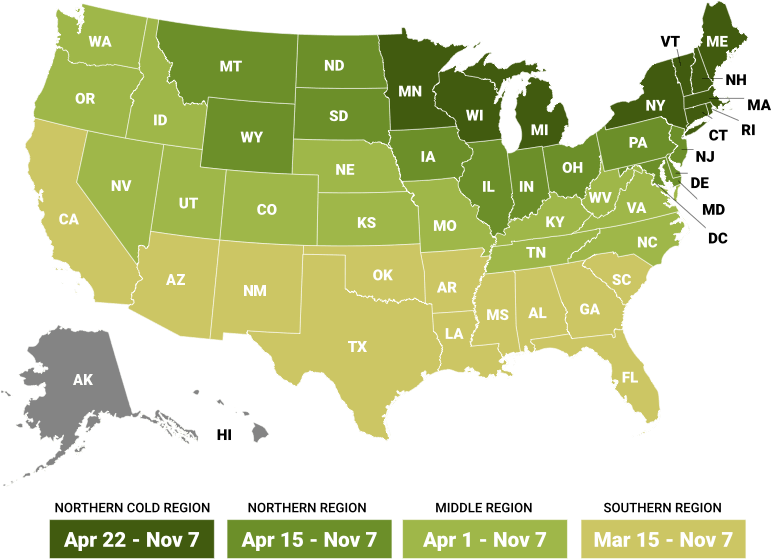
Our FedEx and local shipping times depend on two factors, one is by the region and the second is the type of product being shipped. For example, small fruits are only shipped in spring, but majority of our perennials are shipped from spring until fall. Keep in mind the dates below act as a general guide. Due to unpredictable weather, staffing, inventory and industry demands these timelines can change. Therefore, we cannot guarantee any of these times.
Shipping Dates by Region*
Northern Cold Region: April 22nd - November 7th
Northern Region: April 15th - November 7th
Middle Region: April 1st - November 7th
Southern Region: March 15th - November 7th
Local Delivery (small radius from Waterloo, WI): April 22nd - November 7th
Shipping Dates by Season*
Spring Shipping: Region Start Date (above) - May
Fall Shipping: September - November
Due to unpredictable weather, these times may vary. Some varieties are exceptions due to heat and plant health reasons. Enter your shipping zip code at the top of this page and be sure to check the shipping information on each product before you add it to your cart. If the product is too large or restricted in your state, you will not be able to checkout with that item in your cart.