
Presidential Gold® Ginkgo
Growing zones
See Zone Map >Status: In stock
- Sun
 Mature Plant Size (H x W):
40-50' x 30-40'
Mature Plant Size (H x W):
40-50' x 30-40'  Bloom Season:
Spring
Bloom Season:
Spring
- Deer Resistant
- Drought Tolerant
- Salt Tolerant
- Low Maintenance
Planting & Care for Presidential Gold® Ginkgo Trees
Opening Plant Material
- Container: Saturate container plants thoroughly before planting by submerging them in a larger container of water until bubbling stops, then remove. Dig a hole no deeper than the container depth and at least 6" wider on all sides.
Planting
- Choose the Right Spot: Plant Presidential Gold® Ginkgo in full sun for best growth and the most vibrant fall color. This is a male cultivar, meaning it produces no messy fruit, one of its most important advantages over seedling-grown Ginkgo trees. It develops a strong, upright, broadly pyramidal form that makes it an outstanding specimen, street, or shade tree for home landscapes.
- Mature Size: Presidential Gold® Ginkgo grows to approximately 50–60 feet tall and 35–40 feet wide at maturity. Select a planting location with ample overhead and lateral space away from power lines, structures, and underground utilities.
- Soil: One of the most adaptable trees available, Ginkgo biloba tolerates a wide range of soil types including sandy, loamy, clay, compacted, and even slightly alkaline soils. It prefers well-draining soil with a slightly acidic to neutral pH (5.0-7.5) but is remarkably forgiving once established.
- Urban Tolerance: Presidential Gold® Ginkgo is exceptionally tolerant of pollution, heat, and drought, making it one of the best large shade trees for urban and suburban landscapes, parking lots, and street tree applications.
- Planting Time: The best time to plant Presidential Gold® Ginkgo is in spring or fall while temperatures are mild. Spring planting gives the tree a full growing season to establish before its first winter.
- Spacing: Allow at least 35-40 feet between Presidential Gold® Ginkgo and other large trees, structures, or utilities to accommodate its mature spread. For street tree or boulevard applications, a minimum of 6-8 feet of soil width is recommended.
- Staking: Stake newly planted trees for the first 1-2 years to provide stability while the root system establishes. Use wide, soft ties to avoid bark damage and remove stakes as soon as the tree can stand independently.
Watering
- Watering Frequency: Water deeply and thoroughly at planting, then once or twice per week during the first two growing seasons. Deep, infrequent watering encourages deep root development and long-term drought resilience.
- Established Trees: Once established (typically after 2–3 years) Presidential Gold® Ginkgo is highly drought-tolerant and rarely requires supplemental watering except during extended dry periods. It is one of the most self-sufficient large shade trees for home landscapes.
- Avoid Overwatering: Ginkgo does not tolerate prolonged waterlogged conditions. Ensure the planting site has adequate drainage. Deep, infrequent watering is always preferable to frequent shallow watering.
Fertilizing
- Fertilizer Type: Apply a balanced slow-release granular fertilizer (10-10-10) or a fertilizer formulated for trees and shrubs in early spring before new growth begins. Young trees benefit from annual fertilizing during the first 3-5 years to support establishment and a strong growth rate.
- Application: Broadcast fertilizer evenly under the canopy out to the drip line. Avoid applying fertilizer directly against the trunk. Once fully established, Ginkgo trees growing in average soils typically require little to no supplemental fertilization.
Mulching
- Mulch: Apply a 3-4" layer of organic mulch (wood chips or shredded bark) in a wide ring extending to the drip line of the tree. Mulching conserves soil moisture, moderates root zone temperature, reduces competition from turf and weeds, and protects surface roots. Keep mulch 6" away from the trunk to prevent bark rot, pest harborage, and crown disease.
Pruning and Maintenance
- Minimal Pruning Needed: Presidential Gold® Ginkgo develops a naturally strong,
well-structured form and requires very little corrective pruning. It is one of the lowest-maintenance large shade trees available for home landscapes. - Structural Pruning: In the first few years, remove any dead, damaged, or crossing branches and any competing leaders to reinforce a single, dominant central leader. Make all cuts with clean, sharp tools just outside the branch collar.
- Timing: Prune in late winter or early spring before bud break, or in midsummer once the tree has leafed out fully. Avoid pruning in fall when wounds are slower to compartmentalize heading into winter.
- Slow Growth Note: Ginkgo is a slow-to-moderate grower, averaging 12-18" of growth per year under good conditions. Patience is rewarded though, established trees develop into magnificent, long-lived specimens.
Fall Color & Ornamental Features
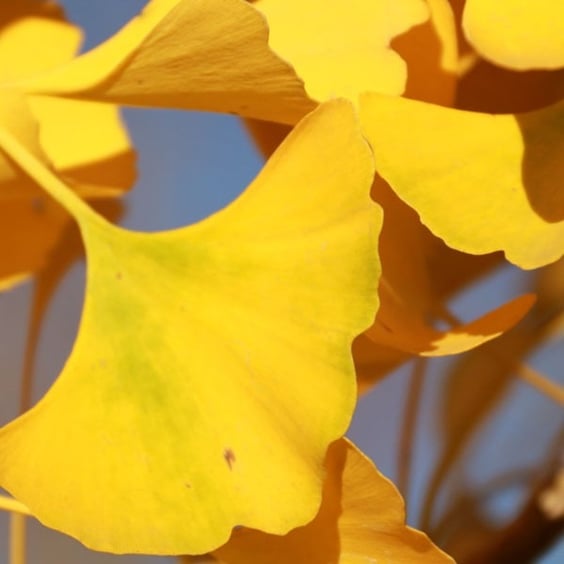
- Exceptional Fall Color: Presidential Gold® Ginkgo is prized for its brilliant, uniform golden-yellow fall foliage, one of the most striking fall color displays of any shade tree. The fan-shaped leaves turn a rich, consistent gold before dropping cleanly in a short window, making cleanup easy.
- Fruit-Free: As a male cultivar, Presidential Gold® produces no fruit or seeds, eliminating the foul-smelling fruit litter associated with female Ginkgo trees. This makes it the ideal choice for lawns, patios, streets, and high-traffic areas.
- Ancient Lineage: Ginkgo biloba is often called a "living fossil", as a species virtually unchanged for over 200 million years. Presidential Gold® brings this remarkable tree into the modern home landscape in a refined, manageable form.
Winter Care
- Cold Hardiness: Presidential Gold® Ginkgo is cold-hardy in USDA Zones 3–8, making it one of the most cold-tolerant large shade trees available. No winter protection is required for established trees in most climates.
- Young Tree Protection: In Zone 3-4, wrapping the trunk of newly planted trees with white tree wrap in late fall protects against sunscald and frost cracking during the first 2-3 winters. Remove wrapping each spring before growth resumes.
- Late Leaf Drop: Ginkgo is one of the last trees to leaf out in spring and one of the last to drop its leaves in fall. Don't be alarmed by slow spring emergence, this is completely normal for the species.
Pests and Diseases
- Exceptional Pest & Disease Resistance: Ginkgo biloba is arguably the most pest- and disease-resistant large shade tree in cultivation. It has no known serious insect pests and is resistant to virtually all common tree diseases, including Dutch elm disease, oak wilt, and anthracnose.
- Minimal Monitoring Required: Unlike most landscape trees, Presidential Gold® Ginkgo requires no routine pest or disease management program. Occasional inspection of new growth for general pest activity is all that is typically needed.
- Root Health: The only notable vulnerability is prolonged waterlogged soil, which can stress the root system over time. Ensure good drainage at the planting site and avoid compacting the soil over the root zone with heavy equipment or foot traffic.
Planting & Handling Help
Download our Planting and Handling Guide below to plan for a successful arrival and install of your plants. Be sure to water all plants as soon as they arrive and every day until you’re ready to plant. Keep any bare root bundles in a shady, cool spot with the roots covered at all times.
Learn More
Watch our videos on handling bare root plants, how your order is prepared for shipment and more.
Plant Sizing
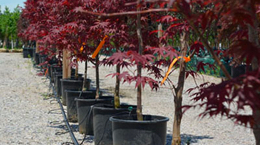
What is the difference between Containers, Grow Bags, Bare Root, and Balled & Burlap (B&B)?
Shipping Times
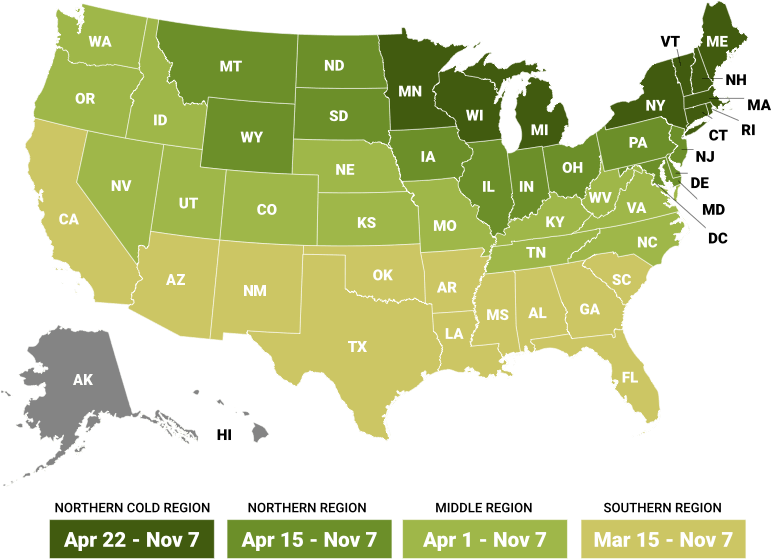
Our FedEx and local shipping times depend on two factors, one is by the region and the second is the type of product being shipped. For example, small fruits are only shipped in spring, but majority of our perennials are shipped from spring until fall. Keep in mind the dates below act as a general guide. Due to unpredictable weather, staffing, inventory and industry demands these timelines can change. Therefore, we cannot guarantee any of these times.
Shipping Dates by Region*
Northern Cold Region: April 22nd - November 7th
Northern Region: April 15th - November 7th
Middle Region: April 1st - November 7th
Southern Region: March 15th - November 7th
Local Delivery (small radius from Waterloo, WI): April 22nd - November 7th
Shipping Dates by Season*
Spring Shipping: Region Start Date (above) - May
Fall Shipping: September - November
Due to unpredictable weather, these times may vary. Some varieties are exceptions due to heat and plant health reasons. Enter your shipping zip code at the top of this page and be sure to check the shipping information on each product before you add it to your cart. If the product is too large or restricted in your state, you will not be able to checkout with that item in your cart.