
False Indigo Bush
Growing zones
See Zone Map >Status: In stock
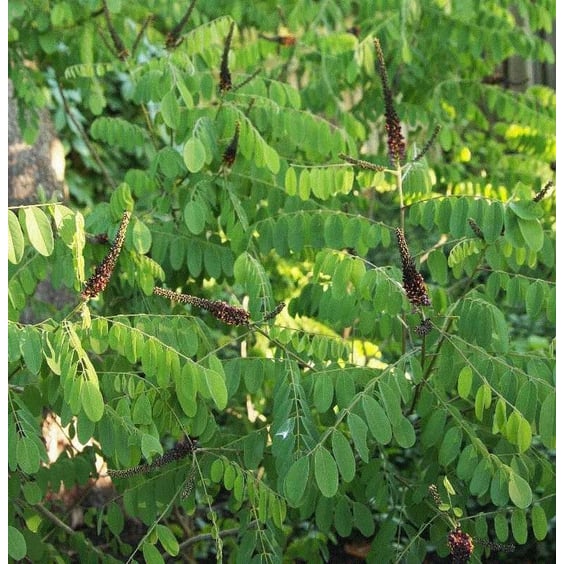
False Indigo Bush is a large, airy native shrub that prefers moist sites. Its thicket-forming habit makes it a great choice for large spaces. The small, compound leaves are generally on the top third of the plant and have a delicate texture. Summer brings spikes of dark purple flowers dotted with yellow-orange stamens. The name "false indigo" comes from the fact that it produces the indigo pigment.
False Indigo Bush is prohibited for shipment in Maine, Connecticut, Oregon and Washington.
Photo courtesy of Missouri Botanical Garden
- Sun, Part Sun/Shade
 Mature Plant Size (H x W):
6-12' x 6-15'
Mature Plant Size (H x W):
6-12' x 6-15'  Bloom Season:
Spring
Bloom Season:
Spring
- Attracts Bees
- Deer Resistant
- Attracts Butterflies
- Attracts Pollinators
Planting & Care for False Indigo Bush
Opening Plant Material
- Container - Saturate container plants thoroughly before planting by submerging them in a larger container of water until bubbling stops, then remove. Dig a hole no deeper than the container depth and at least 6" wider on all sides.
Planting
- Choose the Right Spot: Plant False Indigo Bush in full sun to partial shade. Full sun produces the most vigorous growth and the best flower display. It is an exceptionally tough and adaptable native shrub, well-suited to challenging sites where other plants struggle.
- Soil: Amorpha fruticosa is one of the most soil-tolerant shrubs available. It thrives in sandy, loamy, clay, and even poor or compacted soils. It tolerates both wet and dry conditions once established, making it ideal for rain gardens, streambanks, slopes, and difficult landscape areas. Prefers a slightly acidic to neutral pH (5.5-7.5).
- Native Habitat Value: False Indigo Bush is a native North American shrub that provides exceptional ecological value. Its flowers are a critical nectar source for native bees, and its foliage hosts numerous specialist butterfly and moth species including the Silver-spotted Skipper.
- Planting Time: The best time to plant False Indigo Bush is in spring or fall. Its adaptability means it establishes quickly under a wide range of conditions.
- Spacing: Space plants 4-6 feet apart for mass plantings or naturalized areas. Allow 6-8 feet of space for specimen plants, as mature shrubs can spread 6-10 feet wide. False Indigo Bush spreads by suckers over time and can naturalize in suitable conditions.
Watering
- Watering Frequency: Water deeply at planting, then once or twice per week during the first growing season to encourage deep root establishment. Once established, False Indigo Bush is highly drought-tolerant and requires little to no supplemental watering in most climates.
- Wet Site Tolerance: Unlike most shrubs, Amorpha fruticosa also tolerates periodic flooding and wet soils, making it one of the best native shrubs for rain gardens, low-lying areas, and sites near ponds or streams.
- Established Plants: Mature False Indigo Bush is extremely self-sufficient. Supplemental watering is generally only needed during extended drought periods.
Fertilizing
- Fertilizer Type: False Indigo Bush typically requires little to no fertilizer. Like other members of the legume family, it fixes nitrogen from the atmosphere through root nodules, naturally enriching the surrounding soil.
- Application: If growth appears slow or foliage is pale, a light application of balanced slow-release fertilizer (10-10-10) in early spring is sufficient. Avoid over-fertilizing, which can produce excessive leafy growth at the expense of flowers.
Mulching
- Mulch: Apply a 2-3" layer of organic mulch (wood chips or shredded bark) around the base of the shrub to retain moisture and suppress weeds during establishment. Once mature, False Indigo Bush is competitive enough to largely suppress weeds on its own. Keep mulch pulled back from the main stems.
Pruning and Maintenance
- Annual Pruning: Cut False Indigo Bush back hard in late winter or early spring before new growth emerges. Cutting stems back to 12-18" from the ground each year keeps the shrub compact, encourages vigorous new growth, and produces the best flower display. Left unpruned, it can become leggy and open over time.
- Deadheading: Removing spent flower spikes after blooming is not required but can tidy up the appearance of the shrub. Leaving seedheads in place provides winter interest and food for birds.
- Suckering: False Indigo Bush spreads by root suckers and can colonize an area over time. Remove suckers at the base as needed to control spread, or allow naturalization in wilder garden settings.
Wildlife & Ecological Value
- Pollinators: The deep purple and orange flower spikes of Amorpha fruticosa are a magnet for native bees, including bumblebees, mason bees, and specialist mining bees that rely almost exclusively on Amorpha as a pollen source. Blooms in late spring to early summer.
- Butterflies & Moths: False Indigo Bush is a host plant for the Silver-spotted Skipper, Gray Hairstreak, and several moth species, making it an outstanding choice for pollinator gardens and native plant landscapes.
- Erosion Control: Its deep, spreading root system makes False Indigo Bush one of the best native shrubs for erosion control on slopes, streambanks, and disturbed sites.
Winter Care
- Cold Hardiness: False Indigo Bush is cold-hardy in USDA Zones 4-9 and requires no winter protection. It is fully deciduous and will drop its leaves in fall, re-emerging reliably each spring.
- Winter Interest: Leaving seedheads and stems standing through winter provides structure in the landscape and food for birds. Cut back to the ground or to 12-18" in late winter before new buds emerge.
Pests and Diseases
- Pests: False Indigo Bush has excellent pest resistance and is rarely troubled by serious insect problems. Occasional aphids may appear on new growth in spring, treat with insecticidal soap or a strong blast of water if populations are heavy.
- Diseases: Amorpha fruticosa is largely disease-resistant. Powdery mildew can occasionally occur in humid, poorly ventilated conditions. Proper spacing and annual hard pruning promote airflow and minimize fungal issues. No serious disease problems are typical when planted in appropriate conditions.
- Deer Resistance: False Indigo Bush has moderate deer resistance due to its aromatic foliage. It is a good choice for landscapes in areas with deer pressure, though no shrub is completely deer-proof.
Planting & Handling Help
Download our Planting and Handling Guide below to plan for a successful arrival and install of your plants. Be sure to water all plants as soon as they arrive and every day until you’re ready to plant. Keep any bare root bundles in a shady, cool spot with the roots covered at all times.

Learn More
Watch our videos on handling bare root plants, how your order is prepared for shipment and more.
Plant Sizing
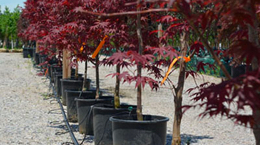
What is the difference between Containers, Grow Bags, Bare Root, and Balled & Burlap (B&B)?
Shipping Times
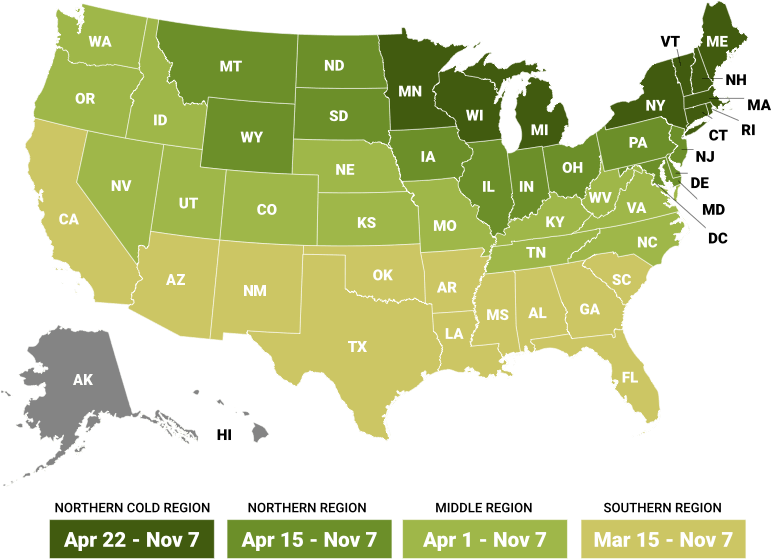
Our FedEx and local shipping times depend on two factors, one is by the region and the second is the type of product being shipped. For example, small fruits are only shipped in spring, but majority of our perennials are shipped from spring until fall. Keep in mind the dates below act as a general guide. Due to unpredictable weather, staffing, inventory and industry demands these timelines can change. Therefore, we cannot guarantee any of these times.
Shipping Dates by Region*
Northern Cold Region: April 22nd - November 7th
Northern Region: April 15th - November 7th
Middle Region: April 1st - November 7th
Southern Region: March 15th - November 7th
Local Delivery (small radius from Waterloo, WI): April 22nd - November 7th
Shipping Dates by Season*
Spring Shipping: Region Start Date (above) - May
Fall Shipping: September - November
Due to unpredictable weather, these times may vary. Some varieties are exceptions due to heat and plant health reasons. Enter your shipping zip code at the top of this page and be sure to check the shipping information on each product before you add it to your cart. If the product is too large or restricted in your state, you will not be able to checkout with that item in your cart.