
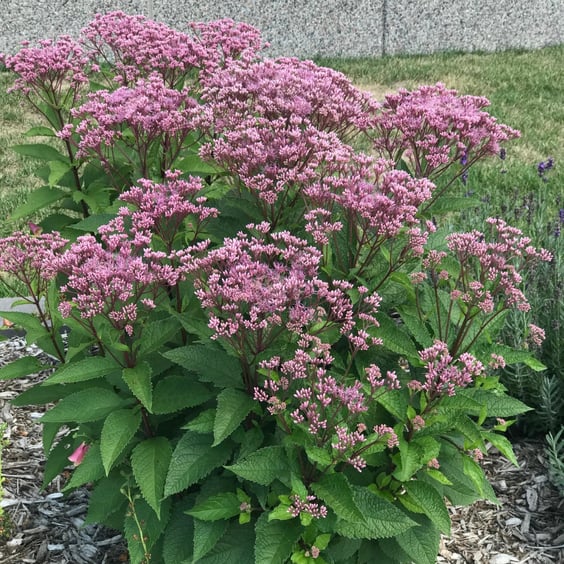
Euphoria™ Ruby Joe-Pye Weed
Growing zones
See Zone Map >Status: In stock
- Sun, Part Sun/Shade
 Mature Plant Size (H x W):
2-3' x 2-3'
Mature Plant Size (H x W):
2-3' x 2-3'  Bloom Season:
Summer, Fall
Bloom Season:
Summer, Fall
- Attracts Bees
- Attracts Birds
- Deer Resistant
- Winter Interest
- Low Maintenance
- Long Blooming
- Rain Gardens
- Attracts Butterflies
- Cut Flower
- Attracts Pollinators
Planting & Care for Euphoria™ Ruby Joe-Pye Weed
Opening Plant Material
- Container: Saturate container plants thoroughly before planting by submerging them in a larger container of water until bubbling stops, then remove. Dig a hole no deeper than the container depth and at least 6" wider on all sides.
Planting
- Choose the Right Spot: Plant Euphoria™ Ruby Joe-Pye Weed in full sun to partial shade. Full sun encourages the most compact growth habit and the richest flower color. This is a standout compact native perennial, growing just 3-4 feet tall, significantly shorter than the straight species, making it ideal for home gardens where traditional Joe-Pye Weed would be too large.
- Soil: Eupatorium purpureum thrives in average to moist, well-draining soil with a slightly acidic to neutral pH (5.5-7.0). It adapts well to loam, clay, and moisture-retentive soils. It is an excellent choice for rain gardens, low spots, and areas with consistently moist soil where many plants struggle.
- Planting Time: The best time to plant Euphoria™ Ruby Joe-Pye Weed is in spring or early fall, allowing roots to establish before summer heat or winter cold.
- Spacing: Space plants 24-36" apart. The compact, upright habit of Euphoria™ Ruby makes it well-suited for mixed perennial borders, pollinator gardens, and naturalized plantings without overwhelming neighboring plants.
Watering
- Watering Frequency: Water deeply at planting, then once or twice per week during the first growing season. Joe-Pye Weed naturally grows in moist habitats and benefits from consistent moisture, especially during hot summer months when it is actively growing and blooming.
- Established Plants: Once established, Euphoria™ Ruby has good drought tolerance but performs best with regular moisture. In prolonged dry spells, deep watering every 7-10 days will keep plants healthy and blooming. Wilting foliage is a reliable indicator that watering is needed.
- Wet Site Tolerance: Joe-Pye Weed tolerates periodically wet or boggy soils, making it one of the best native perennials for rain gardens, pond margins, and low-lying landscape areas.
Fertilizing
- Fertilizer Type: Apply a balanced slow-release granular fertilizer (10-10-10) or a topdressing of compost in early spring as new growth emerges. Euphoria™ Ruby is not a heavy feeder and performs well in average soils without heavy fertilization.
- Application: Fertilize once per year in early spring. Avoid high-nitrogen fertilizers, which can cause overly lush, floppy growth. In rich soils, no fertilizer may be needed at all.
Mulching
- Mulch: Apply a 2-3" layer of organic mulch (shredded bark, wood chips, or compost) around the base of the plant to retain soil moisture, particularly important given Joe-Pye Weed's preference for consistent moisture. Mulch also moderates soil temperature and suppresses competing weeds. Keep mulch pulled back slightly from the crown.
Pruning and Maintenance
- Chelsea Chop: For an even more compact plant and delayed bloom time, cut stems back by one-third to one-half in late spring (late May to early June). This technique, known as the "Chelsea Chop," produces bushier plants and staggers flowering, extending the ornamental season.
- Deadheading: Deadheading is not required. Leaving seedheads in place after flowering provides winter interest and food for birds, particularly finches. Euphoria™ Ruby produces significantly less seed than the straight species, reducing unwanted self-seeding in the garden.
- Fall & Spring Cutback: Cut stems back to the ground in late fall or early spring. Joe-Pye Weed is a late riser in spring so mark plant locations in fall to avoid accidentally disturbing the crown.
- Dividing: Divide clumps every 3-4 years in spring to maintain vigor. Dig and separate the root clump, replanting divisions at the same depth with adequate spacing.
Wildlife & Ecological Value
- Pollinators: Euphoria™ Ruby Joe-Pye Weed is one of the most valuable late-summer pollinator plants available. Its large, fragrant, rose-pink flower heads are irresistible to monarch butterflies, swallowtails, bumblebees, and native bees, providing critical nectar during a period when few other plants are in bloom.
- Butterfly Garden Essential: Joe-Pye Weed is consistently rated as a top plant for butterfly gardens and pollinator-friendly landscapes. Its late-season bloom time (mid-summer to early fall) fills a crucial gap in the nectar calendar.
- Birds: Finches and other seed-eating birds are attracted to the seedheads in fall and winter, adding additional wildlife value beyond the bloom season.
Winter Care
- Cold Hardiness: Euphoria™ Ruby Joe-Pye Weed is cold-hardy in USDA Zones 4-9 and requires no special winter protection. It dies back to the ground each fall and re-emerges reliably in late spring.
- Winter Interest: The upright stems and seedheads of Joe-Pye Weed provide attractive structure in the winter garden and support overwintering beneficial insects. Leave stems standing until late winter or early spring before cutting back.
Pests and Dieases
- Pests: Euphoria™ Ruby is largely pest-resistant. Aphids occasionally appear on new growth, treat with insecticidal soap or a strong blast of water. Eupatorium is occasionally browsed by deer, though it is not a preferred target. Fencing or deer repellent may be warranted in high-pressure areas.
- Powdery Mildew: Powdery mildew can affect Joe-Pye Weed, particularly in humid conditions or when airflow is poor. The compact habit of Euphoria™ Ruby improves air circulation compared to the straight species. Ensure adequate plant spacing and avoid overhead watering to minimize risk. Affected foliage is unsightly but rarely fatal, remove affected leaves and apply a fungicide if needed.
- Diseases: No serious disease problems are typical when Euphoria™ Ruby is planted in appropriate conditions with good drainage and airflow. Remove and dispose of any diseased plant material at the end of the season to reduce overwintering disease pressure.
Planting & Handling Help
Download our Planting and Handling Guide below to plan for a successful arrival and install of your plants. Be sure to water all plants as soon as they arrive and every day until you’re ready to plant. Keep any bare root bundles in a shady, cool spot with the roots covered at all times.

Learn More
Watch our videos on handling bare root plants, how your order is prepared for shipment and more.
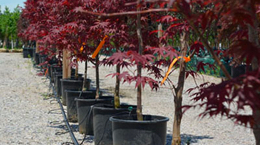
Plant Sizing
What is the difference between Containers, Grow Bags, Bare Root, and Balled & Burlap (B&B)?
Shipping Times
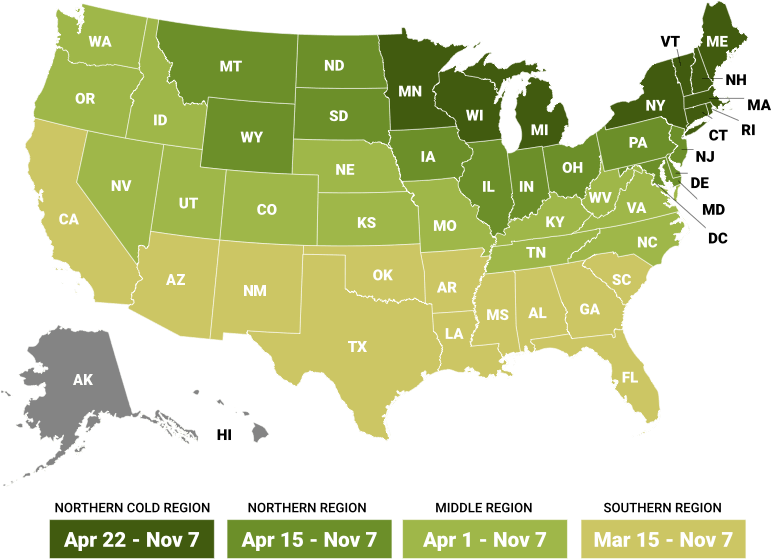
Our FedEx and local shipping times depend on two factors, one is by the region and the second is the type of product being shipped. For example, small fruits are only shipped in spring, but majority of our perennials are shipped from spring until fall. Keep in mind the dates below act as a general guide. Due to unpredictable weather, staffing, inventory and industry demands these timelines can change. Therefore, we cannot guarantee any of these times.
Shipping Dates by Region*
Northern Cold Region: April 22nd - November 7th
Northern Region: April 15th - November 7th
Middle Region: April 1st - November 7th
Southern Region: March 15th - November 7th
Local Delivery (small radius from Waterloo, WI): April 22nd - November 7th
Shipping Dates by Season*
Spring Shipping: Region Start Date (above) - May
Fall Shipping: September - November
Due to unpredictable weather, these times may vary. Some varieties are exceptions due to heat and plant health reasons. Enter your shipping zip code at the top of this page and be sure to check the shipping information on each product before you add it to your cart. If the product is too large or restricted in your state, you will not be able to checkout with that item in your cart.